04 · Policy & Law
How Much Should Weight Loss Drugs Cost?
 1 min read
A fair price for GLP-1 medicines depends on more than what a company can charge.
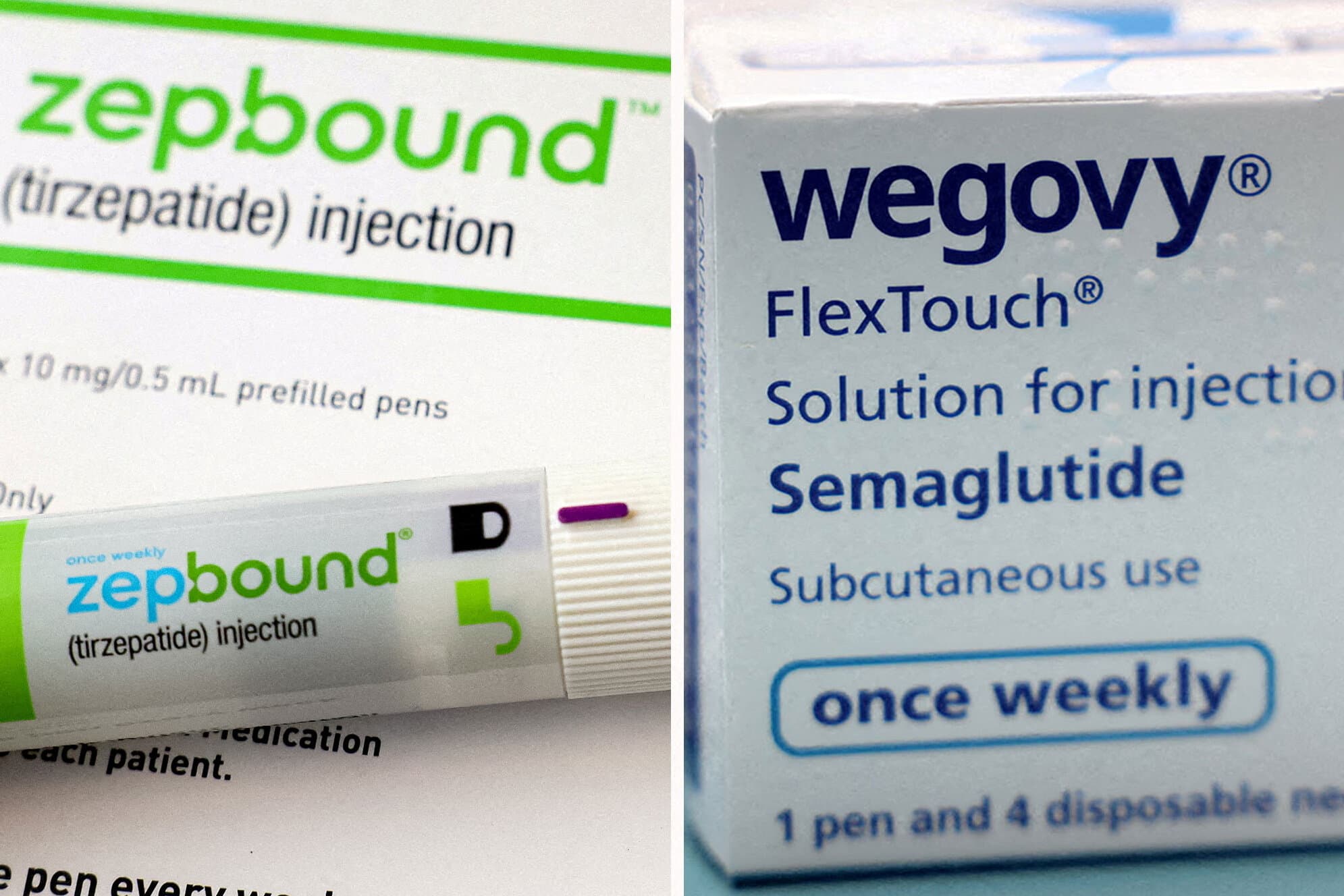
The central policy question is not whether Wegovy and Zepbound can help people. It is what a health system should pay when a medicine is effective, widely desired, and priced far above what many patients, employers, Medicare plans, or Medicaid programs can comfortably absorb. A breakthrough can still create an access barrier if the monthly bill forces coverage decisions before clinical decisions.
For many people, the price of a GLP-1 is not a list-price abstraction. It becomes a household question: whether insurance covers the drug, whether prior authorization succeeds, whether a coupon applies, and whether paying out of pocket competes with rent, groceries, childcare, or other prescriptions. The same medicine can feel like routine care to one patient and a luxury product to another because the payer machinery is so uneven.
The useful comparison is between value and affordability. A drug can reduce weight, improve risk markers, and still be priced in a way that makes broad public coverage difficult. Economists can ask what price would make the benefit cost-effective; patients ask whether they can fill the prescription next month. Those are related questions, but they are not the same question.
That distinction is why price cuts, direct-pay programs, and international comparisons matter without settling the debate. Lower cash prices can help some uninsured or underinsured patients, while leaving others exposed to coverage exclusions or plan rules. A fair system has to decide who is eligible, what outcome justifies payment, how long treatment continues, and whether the price reflects health value rather than market power alone.
Read the full story at The New York Times ↗
Retatrutide is investigational and is not FDA-approved. Other medicines referenced here are covered as third-party news for educational awareness only. Catalyst does not present this information as medical advice, treatment guidance, or a claim of safety, efficacy, or approval.
Related context
How this story connects across the peptide landscape.




 Continue reading · Policy & LawPeptide News / Policy & LawThe Ozempic Flip-FlopThe Atlantic · Dec 2024 · scroll to read