03 · Frontier Science
The Next Protein-Design Leap May Not Be Open to Everyone
 2 min read
A powerful private model shows how fast AI drug discovery is moving, and why access to the tools now matters.
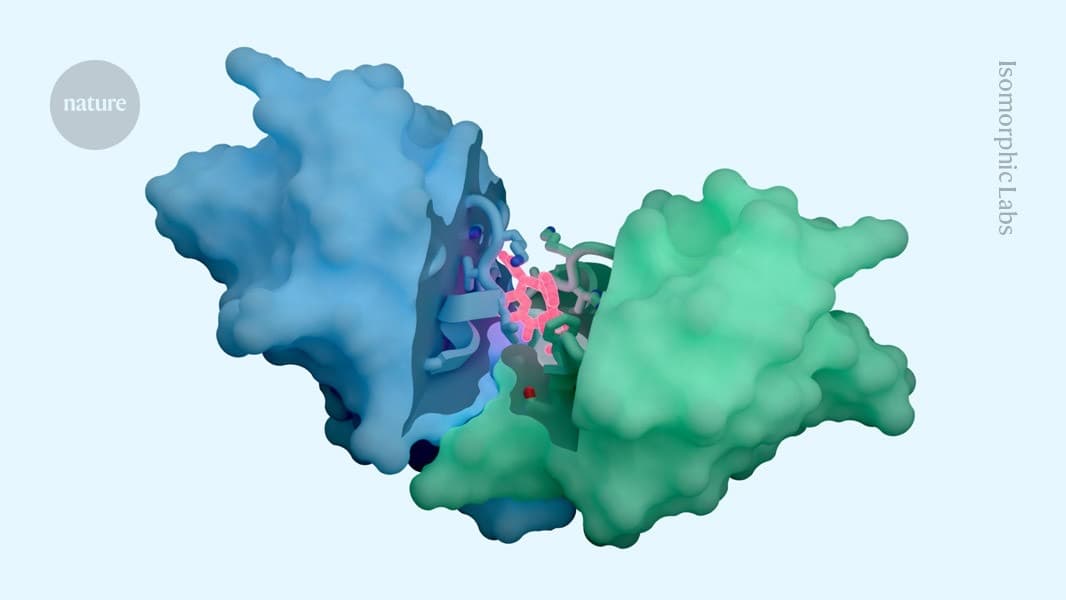
The AlphaFold story used to feel like a public-science triumph: a hard biological problem became easier because a powerful model was released widely enough for researchers to build on it. This new Nature report points to a more complicated next chapter. Isomorphic Labs, the drug-discovery company spun out of DeepMind, says it has built a model that goes beyond AlphaFold 3 for drug-design work, but the system itself is being kept inside the company.
That distinction is the heart of the story. A model that can better reason about proteins, small molecules, and the physical interactions between them could help researchers imagine drug candidates faster. But if the best version is proprietary, outside scientists cannot fully test it, compare it, reproduce it, or learn how to reach similar performance. The advance may be real and still leave the wider field guessing.
For peptide and protein science, the practical issue is not just whether an AI can predict a shape. Drug discovery asks a harder question: which designed molecule might bind the right target, behave well in the body, avoid unacceptable safety problems, and survive years of testing? Better models can improve the front end of that search, but they do not erase the lab work, clinical trials, or regulatory review that make a medicine trustworthy.
That is the next proof step: a model can propose a molecule, but laboratory testing, animal or preclinical evidence, and eventually human trial evidence still have to show whether the idea behaves like medicine rather than an elegant prediction. The frontier is the beginning of a question, not the finish line.
The tension is familiar in technology but sharper in biology. Private investment can push tools forward quickly, while open tools let more labs inspect, challenge, and adapt the science. If the most capable systems live behind company walls, smaller academic groups may still benefit indirectly, but they may lose the ability to understand the method deeply enough to build the next generation themselves.
The useful takeaway is not that one closed model will decide the future. It is that AI protein design is becoming important enough for access to matter. The science is moving from prediction toward design, and the next public-health question may be who gets to use the tools, not only how powerful the tools become.
Read the full story at Nature ↗
Retatrutide is investigational and is not FDA-approved. Other medicines referenced here are covered as third-party news for educational awareness only. Catalyst does not present this information as medical advice, treatment guidance, or a claim of safety, efficacy, or approval.
Related context
How this story connects across the peptide landscape.
AI Has Started Making Drug-Like Antibodies. The Hard Part Is Knowing What That Means.
 Jan 6, 2026
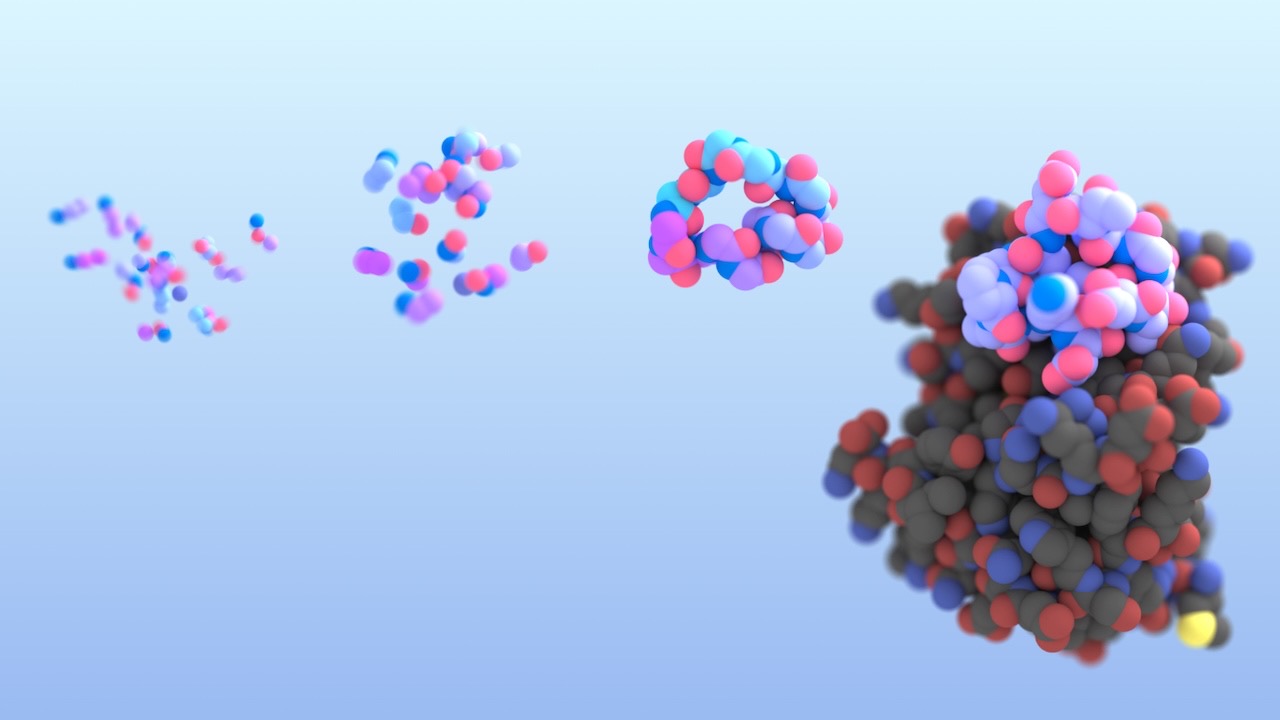
RFpeptides Shows What AI Can Do Before a Peptide Becomes a Drug
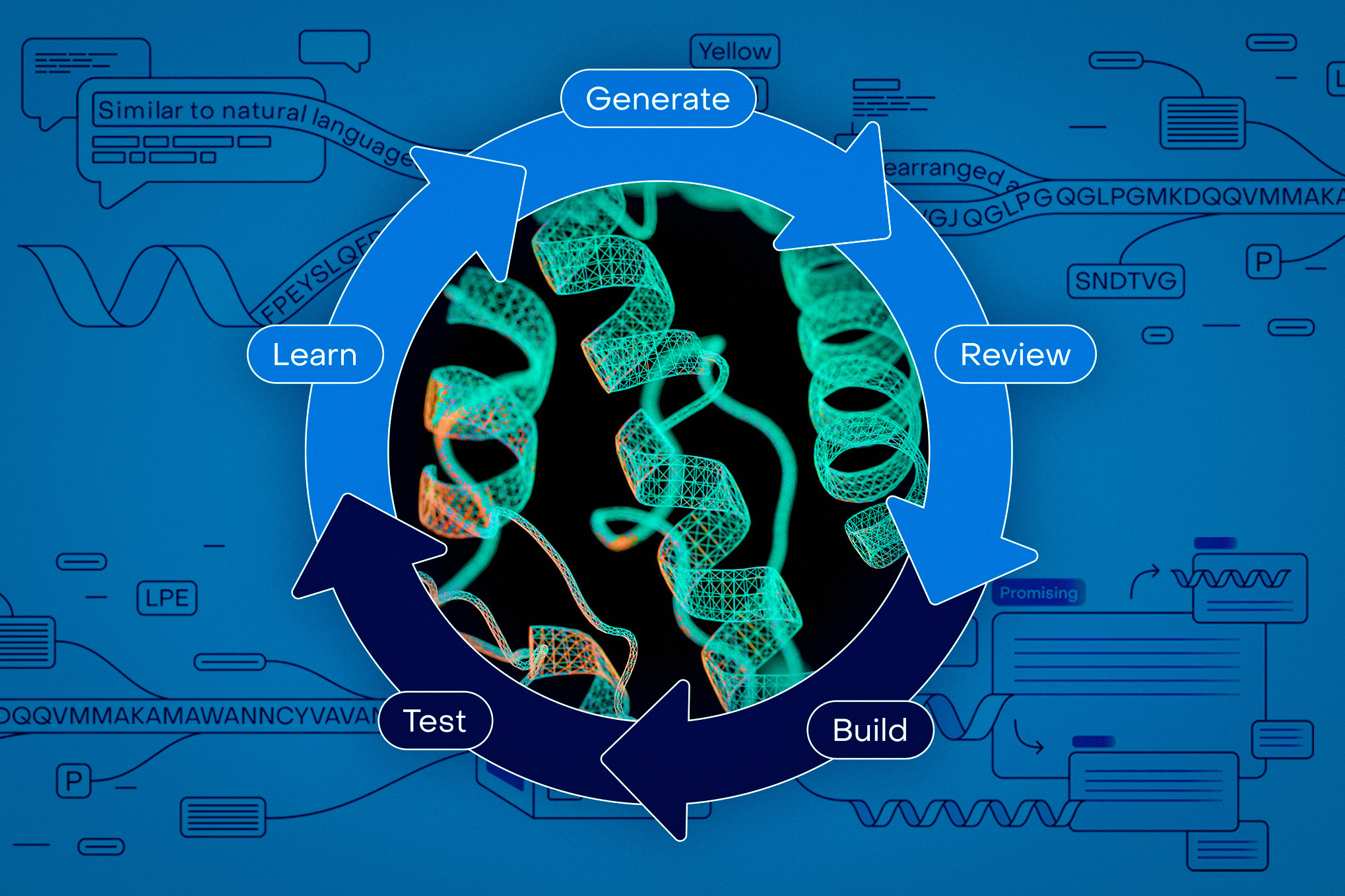
Protein-Design AI Is Moving From Specialist Labs to Everyday Biology
 Continue reading · Frontier SciencePeptide News / Frontier ScienceAI Has Started Making Drug-Like Antibodies. The Hard Part Is Knowing What That Means.STAT · Jan 6, 2026 · scroll to read