03 · Frontier Science
Protein-Design AI Is Moving From Specialist Labs to Everyday Biology
MIT’s OpenProtein story is about access: giving biologists tools they can use without becoming machine-learning engineers first.
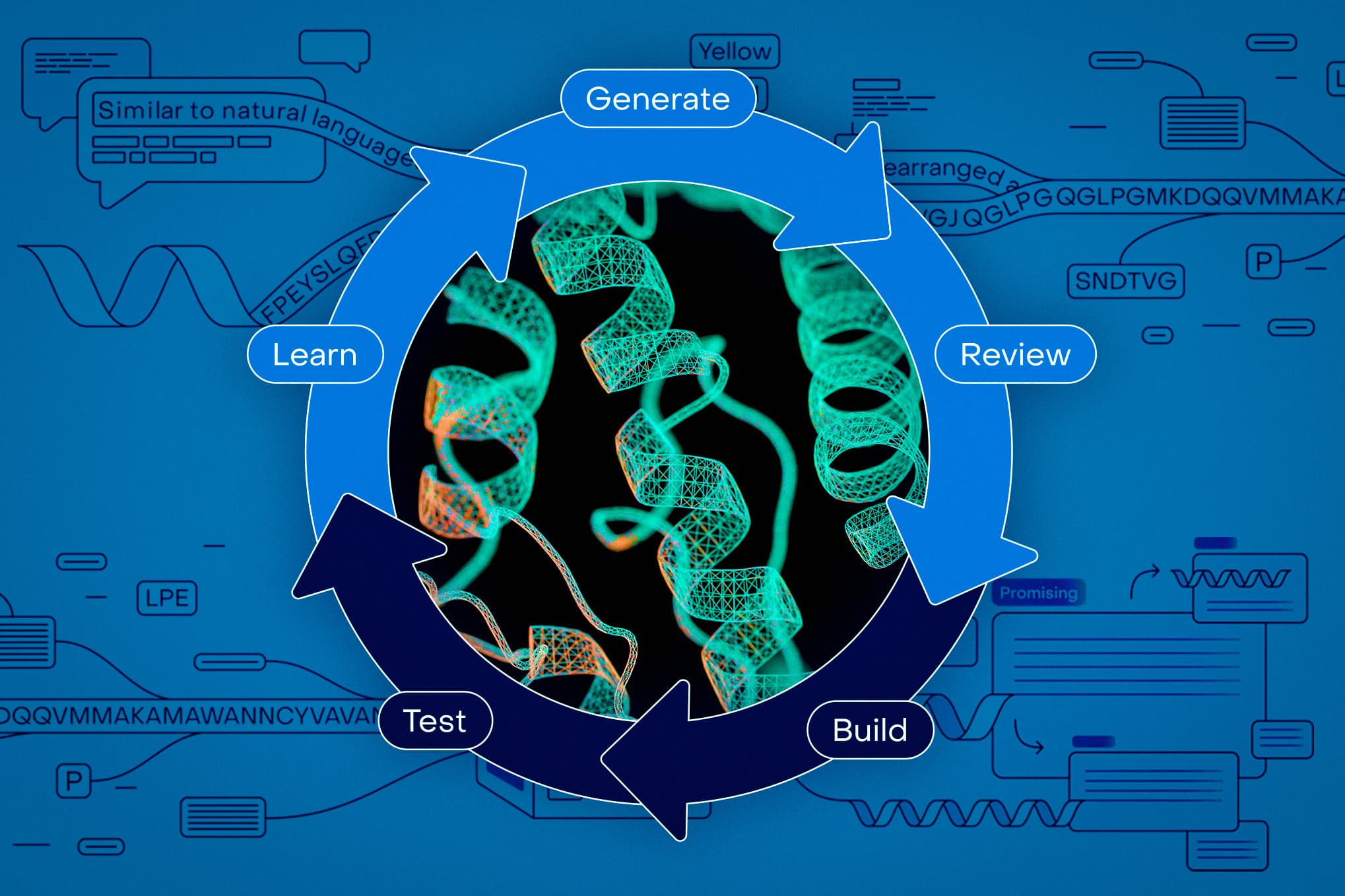
A lot of AI biology stories focus on the most powerful model. The MIT News profile of OpenProtein is about a different bottleneck: whether ordinary biology labs can use these tools at all. If protein-design software requires deep machine-learning expertise, specialized hardware, and custom code, then only a narrow slice of researchers can participate.
OpenProtein’s bet is that the interface matters. Its platform lets scientists upload data, use protein language models, and generate or evaluate protein sequences through a web tool rather than building everything from scratch. That may sound like a product detail, but in science it can change who gets to ask the next question.
The article also makes clear that AI design is not a replacement for experiments. Models can suggest sequences, score possibilities, and help narrow a search. A lab still has to make candidates, test them, and learn which predictions survive contact with biology. The next proof step is still wet-lab evidence, not a better-looking computer score.
The access issue is especially important as private models become more powerful. If the best tools concentrate inside large companies, independent labs may struggle to keep up. Platforms that expose useful models and workflows can help smaller teams test ideas, train on their own data, and contribute to the field instead of waiting for commercial products to trickle down.
For a lay reader, the simplest way to understand this is: AI is not only designing molecules; it is changing who can design molecules. That shift could matter for future peptide and protein therapies because more researchers with better tools means more shots at useful discoveries, even though every candidate still faces the long road of validation.
Read the full story at MIT News ↗
Retatrutide is investigational and is not FDA-approved. Other medicines referenced here are covered as third-party news for educational awareness only. Catalyst does not present this information as medical advice, treatment guidance, or a claim of safety, efficacy, or approval.
Related context
How this story connects across the peptide landscape.


 Continue reading · Frontier SciencePeptide News / Frontier ScienceThe Cancer Question Around GLP-1s Is Promising, but Still EarlyPBS News Hour · Jun 19, 2026 · scroll to read