04 · Policy & Law
Medicare's First Weight-Loss GLP-1 Coverage Is a Bridge, Not a Finish Line
 1 min read
A July 2026 program changes access for some seniors, but eligibility rules still decide who actually benefits.

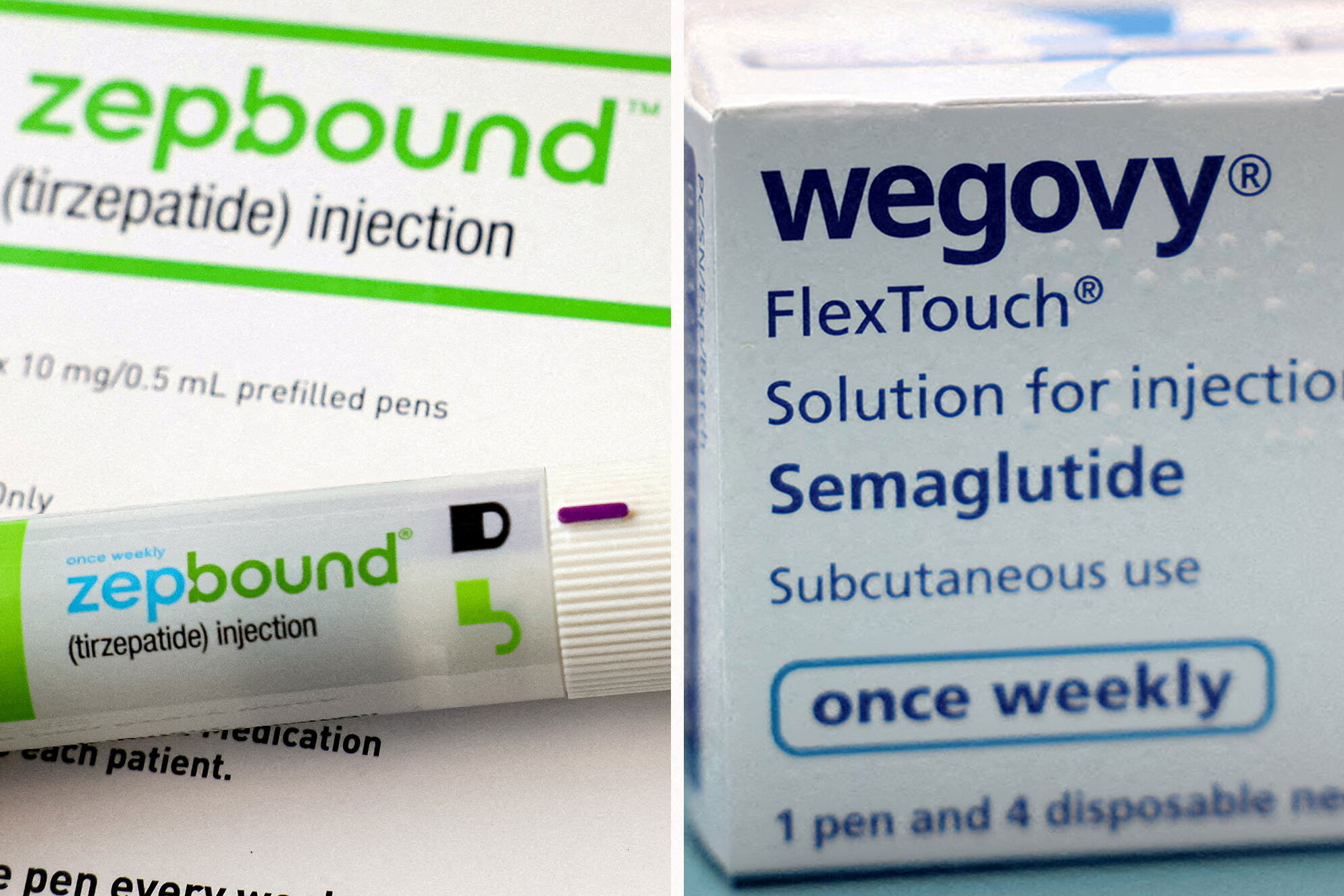
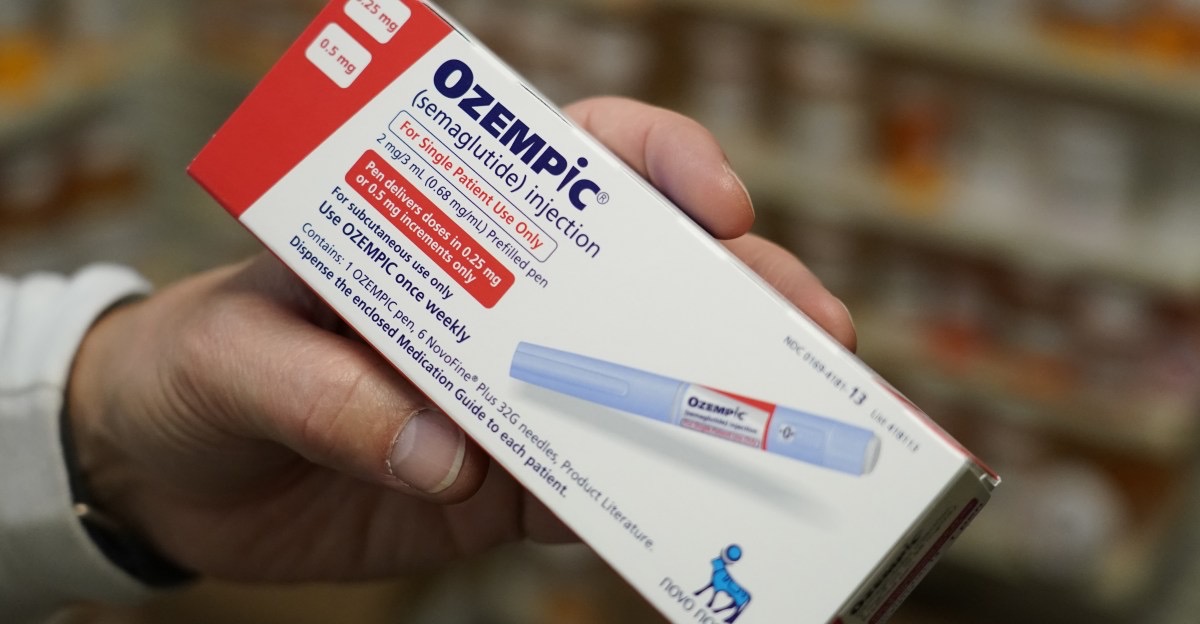
The important word is bridge. Medicare's new GLP-1 access program is designed as a temporary demonstration, not a permanent rewriting of every coverage rule for weight-loss medicines. Starting July 1, 2026, eligible Part D beneficiaries can access selected GLP-1 drugs for $50 a month through a CMS-run pathway that sits outside the normal Part D risk flow.
That structure matters for patients. A lower monthly price can turn an impossible prescription into a realistic one, but it does not mean every older adult who wants a GLP-1 will qualify. Eligibility, covered products, formulation limits, and the program's end date all shape the real-world result. A coverage announcement is only useful when the person at the counter can actually fill the prescription under the rule.
The policy logic is also experimental. CMS is using the program to test whether a different payment approach can improve access and generate information about use, outcomes, and cost. That is very different from declaring the affordability problem solved. It is a controlled opening in a system that has long treated weight-loss coverage differently from coverage for diabetes or cardiovascular indications.
For households, the stakes are direct: a $50 monthly payment is easier to plan around than a four-figure cash price, but continuity still depends on clinician judgment, product availability, renewal rules, and what happens when the demonstration ends. The next proof is not the launch date; it is whether eligible people can enroll, stay treated safely, and avoid a coverage cliff in 2027.
Retatrutide is investigational and is not FDA-approved. Other medicines referenced here are covered as third-party news for educational awareness only. Catalyst does not present this information as medical advice, treatment guidance, or a claim of safety, efficacy, or approval.
Related context
How this story connects across the peptide landscape.