02 · Clinical Findings
The Terrible-and-Amazing Side Effects of Weight-Loss Drugs
 2 min read
A useful way to understand GLP-1 medicines is to hold their benefits and tradeoffs in the same frame.

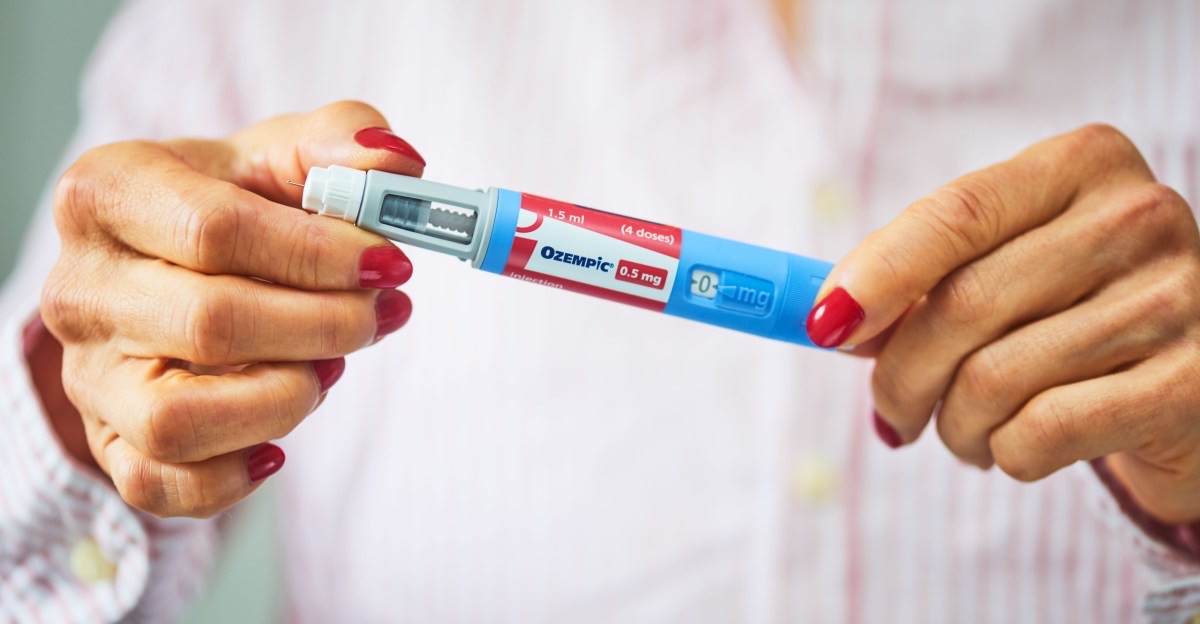
The public conversation often treats GLP-1 medicines as either a miracle or a menace. The more useful picture is less dramatic. These medicines were developed for diabetes and can help people manage weight and blood sugar, but the same treatment can bring meaningful benefits, uncomfortable side effects, and questions that only make sense in the context of a person's health history.
The source reporting separates everyday side effects from problems that need more attention. Nausea and constipation are commonly discussed because these medicines affect digestion; rapid weight loss can also contribute to gallbladder problems in some people. Muscle loss is another reason not to judge an outcome by the scale alone. The article notes that any substantial weight loss can include lean mass, which is why function and strength matter alongside the number of pounds lost.
The possible upside is real but should not be compressed into a promise for everyone. The article describes evidence of cardiovascular benefit in a high-risk group taking semaglutide and explains why lower blood sugar, blood pressure, cholesterol, inflammation, and liver fat are part of the broader medical interest in this class. Those findings describe study populations and approved uses, not a guarantee of the same outcome for every reader.
That is the practical standard for reading claims about GLP-1s: do not ask only whether a side effect sounds frightening or whether a benefit sounds impressive. Ask what medicine is involved, what condition is being treated, what monitoring is in place, and what change would warrant medical attention. The aim is not to flatten the tradeoff into fear or hype, but to see that treatment decisions are made with the whole body in view.
Read the full story at Men's Health ↗
Retatrutide is investigational and is not FDA-approved. Other medicines referenced here are covered as third-party news for educational awareness only. Catalyst does not present this information as medical advice, treatment guidance, or a claim of safety, efficacy, or approval.
Related context
How this story connects across the peptide landscape.





 Continue reading · Clinical FindingsPeptide News / Clinical FindingsWhat GLP-1 Does Before It Becomes a Drug NameHuberman Lab · Jun 2026 · scroll to read